AI Monitoring (AIM) stories
The integration aims to curb prompt injection and data leaks as enterprises push AI agents into production across cloud and on-premises systems.
The move gives researchers and regulators a more neutral way to probe model deception and harmful behaviour as AI safety scrutiny intensifies.
Enterprises adopting AI in regulated sectors face fresh risks from model tampering and agent misuse, which Cognizant aims to address.
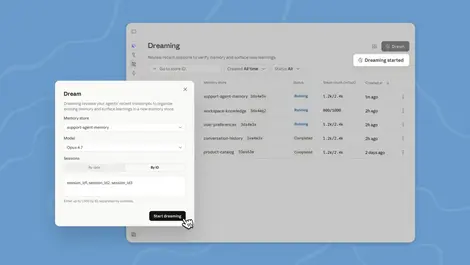
Developers get new ways to boost Claude agents’ accuracy and scale, as Anthropic rolls out memory, grading and parallel task handling.
Most firms are now running AI in production, with hybrid clouds and security controls becoming crucial as inference overtakes training.
Security teams gain visibility into blocked requests, token use and failures in AWS Bedrock deployments as AI oversight gaps widen.
Businesses face rising compliance and security risks as SAS adds a single governance layer for AI models and agents across their life cycle.
The expanded tie-up aims to automate telecoms, retail and IT workflows while giving enterprises tighter oversight of AI agents across both platforms.
Security teams gain deeper visibility into AI agent behaviour as Exabeam extends monitoring across Google Cloud tools and workflows.
Businesses are turning to observability software to govern AI traffic and secure hybrid systems, as IDC sees the market rising to USD $4.39 billion by 2029.
Businesses deploying multi-agent AI can now monitor costs, traffic and audit trails in one place as Kong broadens its governance tools.
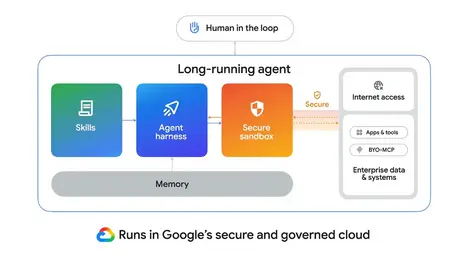
Businesses can now let Gemini agents run for hours or days, while new controls aim to keep AI workflows traceable and secure.
Shadow AI is prompting new controls for smaller businesses, as Acronis’s tool lets MSPs monitor unsanctioned AI use and block data leaks.
Production AI is straining as 5% of model requests fail and almost 60% of those errors stem from capacity limits.
The new tools aim to help firms spot faulty AI outputs and data risks sooner as production deployments outpace monitoring methods.
More companies will need dedicated monitoring as AI deployments mature and governance risks rise, Gartner says, with adoption reaching 40% by 2028.
The move puts the AI software company closer to enterprise buyers, investors and partners as it scales after adding more than 100 customers last year.
It aims to curb staff data leaks into public AI tools by giving Australian employers visibility and controls over what workers share.
AI tools now favour recent, credible coverage over paid media, leaving B2B tech firms with a growing visibility gap in search results.
The bank is formalising its AI push with specialist in-house skills to build and test systems safely for customer use.