Data infrastructure stories
Poor data at checkout is fuelling cost surprises, missed deliveries and fraud fears that are turning many cross-border shoppers away.
Most firms are still struggling to verify the data behind AI agents, even as more move them from pilots into production.
Hospitality managers can now query live sales, labour and stock data in plain English, cutting delays caused by fragmented reporting systems.
The serverless catalog could ease a bottleneck for large Spark workloads by moving Hive table metadata without copying underlying data.
CyberCatch's continuous compliance tools will be folded into Datavault AI's data platforms if the all-cash deal wins approvals.
Poor data quality is still holding back AI and reporting, even as businesses add specialist roles and restructure their data teams.
The startup aims to spare creators and AI agents from downloading large files before work can begin, after a pre-seed round led by a16z Speedrun.
AI agents are driving a sharp rise in demand for the real-time data platform, which added 1000 customers early in 2026 to top 4000.
Investor demand for private AI software remains strong as Databricks hits a USD $7 billion revenue run-rate and a USD $190 billion valuation.
Rising AI infrastructure spending lifted storage sales 45% at the Hitachi unit, helping offset complexity worries for corporate IT teams.
Governance and infrastructure are blocking AI scale-ups, with 95% of enterprises delaying or cancelling projects, Cloudera said.
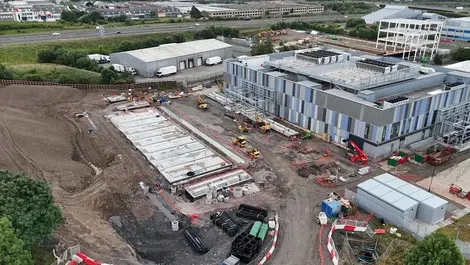
The Reading site gives European customers a local hub for AI infrastructure build-outs, cutting deployment risk and delays.
The funding doubles the accounting software group's total raised to more than USD $200 million as customers adopt AI tools for finance teams.
The canal-side brownfield scheme could reuse disused land while adding capacity for AI workloads closer to Manchester users.
Foundation teams can now query verified grant data in Claude and ChatGPT, as Impala bets on AI-powered analysis over proposal drafting.
The funding backs Scotland's first AI Growth Zone, with two sites set to create hundreds of jobs and cut reliance on overseas compute capacity.
Customers can now shift production pipelines to the managed platform without rebuilding connectors or reloading months of data.
Shoppers will know at once if a purchase tracks, as delayed cashback has often undermined trust in reward offers across the sector.
The Burlington project is set to sustain more than 200 jobs and add nearly 100 more as demand for transformer equipment rises across North America.
Institutional clients will gain consolidated digital asset records as the bank links wallets, exchanges and blockchains into existing reporting systems.