Digital Inclusion stories
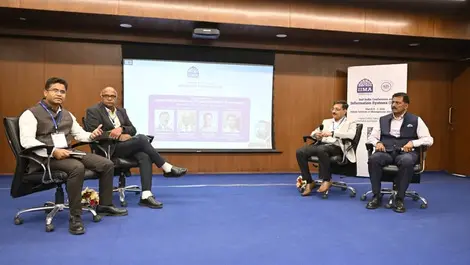
InCIS 2026 at IIM Ahmedabad unites global experts to explore how digital public infrastructure can shape a sustainable, sovereign future.
Liechtenstein has been named the world's best-connected nation, topping MoneySuperMarket Broadband's 2026 Internet Accessibility Index.
From job ads to image tools, AI is quietly amplifying gender bias - but with better data, design and oversight, we can reverse it.
As Asia Pacific races ahead on 5G, experts warn women risk being left offline unless their voices shape digital policy from the start.
Canada's decade-long drive to make 50/10 Mbps broadband a universal basic service nears 2030 goals, but remote regions remain hard to reach.
More than 3m UK homes have switched to digital landlines as BT warns those ignoring the rollout risk disruption before analogue ends in 2027.
Camp Digital returns to Manchester spotlighting ethical AI, inclusive design and hopeful technologists in a rapidly changing digital sector.
NBN taps domestic bond market with record AUD $850m 10-year sustainability note, boosting its labelled green and social funding pool.
Indosat partners with Nvidia to build a nationwide AI Grid and Sahabat-AI platform, bringing locally trained language models to Indonesia.
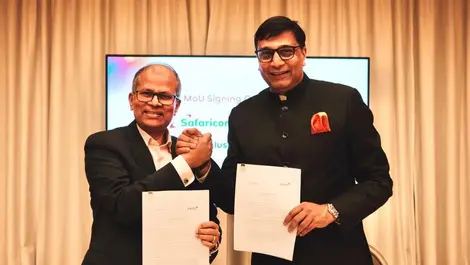
Indosat and Safaricom have struck an AI and fintech alliance to boost smarter networks, fraud controls and mobile money in emerging markets.
Virgin Media O2 urges families on benefits to claim little-known cheap social tariffs as online revision becomes crucial for exam success.
Manchester agency Pixel Kicks has delivered a pro bono overhaul of Hideaway Youth Project's website, boosting the Moss Side charity's reach.
Ontix and Virgin Media O2 have activated 5G small cells across central Bath, boosting mobile capacity in busy historic and retail areas.
Indosat's SheHacks brings Indonesian women-led AI startups to Vietnam, forging cross-border ties with investors and innovation agencies.
Cambodia steps up its AI push under a draft strategy to drive growth and narrow regional digital gaps by 2030.
UK awareness of 'Pay by Bank' has plunged even as open banking payments surge, sparking calls for a single, standardised label at checkout.
EE has opened a new experiential flagship on Oxford Street as part of a GBP £3 million push to expand hands-on tech stores nationwide.
New Zealand's economy is squandering vital leadership potential by sidelining female, Māori and Pasifika leaders in key decision-making roles.
When women invest in women, the payoff reshapes careers, communities and leadership, turning personal resilience into collective progress.
As International Women's Day nears, inclusive tech emerges as a powerful lever to unlock women-led growth and reshape local economies.