International e-waste Day stories
The new Exos X systems feature up to twice the performance of the previous generation and enhanced enterprise-class durability, the company states.
Technology's share of the world's carbon footprint is set to reach 14% by 2040. Accenture has outlined key areas of impact to create sustainable change.
SOTI research finds 72% of IT leaders in Australian corporations think devices are being disposed of unnecessarily, despite many having sustainability targets.
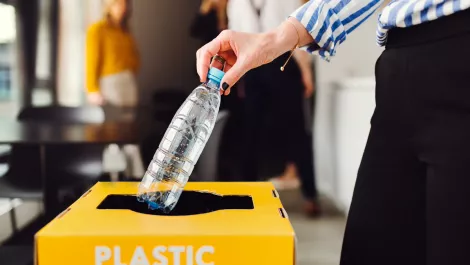
Logitech has exceeded its commitment to incorporate post-consumer recycled plastic into products, reducing its carbon impact.
Wearable shipments are predicted to continue rising, with the global market projected to reach 344.9 million shipments in 2022, a growth increase of 13.2%.
There is a link between enterprise data security and sustainability, according to a new report from Blancco Technology Group.
Digital government services, anywhere-work arrangements, sustainability practices, and cloud first strategies are predicted as leading trends in Asia Pacific.
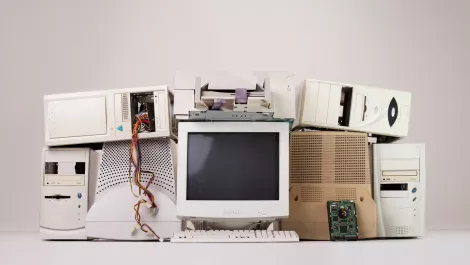
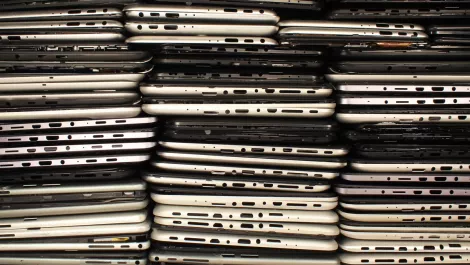
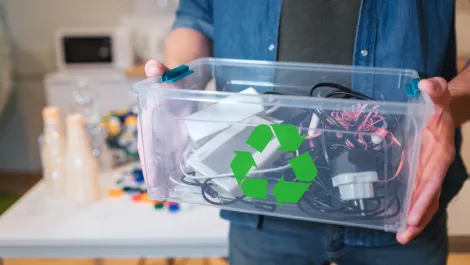
Today is International E-Waste Day, shedding light on the increasing problem of electronic waste and the need for action.
Almost all consumers are aware that e-waste poses a danger to human health, according to a global quiz ahead of International E-Waste Day.
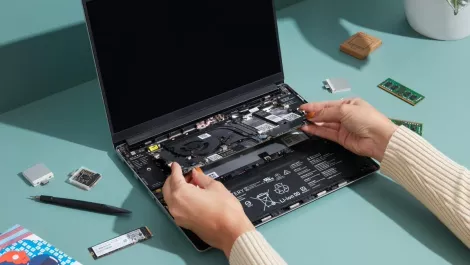
Framework believes the consumer electronics industry is completely broken - so it's starting a laptop revolution.
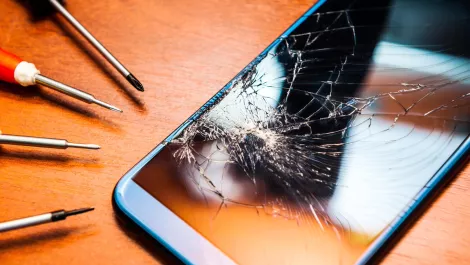
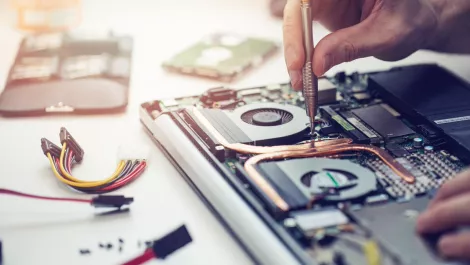
What if there was a way to extend the lifespan of products before they end up in landfill? Device repairability seems like a logical step.
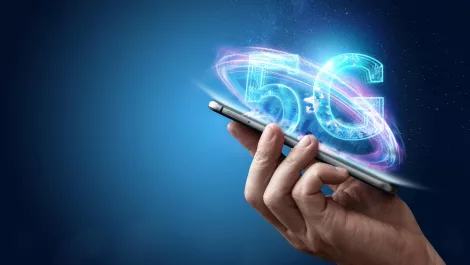
More than half of consumers plan to upgrade to a 5G device within the next two years, according to Blancco Technology Group.
The adoption of data-driven technology is at an all-time high, but 77% of IT decision-makers do not trust their data, according to research by SnapLogic.
Study finds New Zealand businesses are not truly aware of the economic benefits of sustainable e-waste management.
The TechCollect NZ pilot program says its milestone of recovering and recycling more than 177 tonnes of ICT e-waste recognises the efforts of many.
Australian e-waste is causing devastating environmental impact, with only 1% of TVs and 10% of PCs being recycled.
Computer Recycling launches e-waste shredder and MSS optical sorting machine BLUBOX, which is able to sort out a tonne of e-waste per hour.
While it's a step in the right direction towards managing NZ's e-waste, the lack of accessible locations means that many Kiwis miss out.
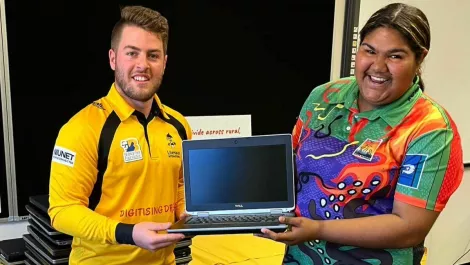
IT lifecycle services company TES Australia has partnered with LiteHaus International to bridge the digital divide by donating devices to students in need.
The report explores ways in which governments and manufacturers could improve their products and repair processes for independent repairers and consumers.