Remote Access stories
Pressure on overstretched security teams is driving Thrive to add Elastic and Cato Networks to its NextGen platform, widening detection and access controls.
Smaller operators are carrying much of the danger as a new study finds 66% of assessed US telecoms fall into an elevated risk band.
Enterprise IT teams could gain simpler, tighter-protected remote workspaces as the tie-up aims to cut gateway layers and improve resilience.
Smaller companies are facing cyber losses almost equal to their resilience spending, as attacks cost an average USD $52,000 a year.
With most operators exposed to basic flaws, the paper warns telecom networks could face the same low-effort intrusions seen in US water systems.
Mid-market clients should gain broader threat visibility and tighter remote access control as Thrive upgrades its managed security platform.
The sector faces mounting breach and compliance risk as unmanaged devices, shared logins and stale access undermine campus defences.
A second straight top ranking underlines growing demand for firewall tools that span cloud and on-premise systems without separate stacks.
Users in South Korea, South Africa and Saudi Arabia will get faster Zero Trust access as traffic is kept in-region for compliance.
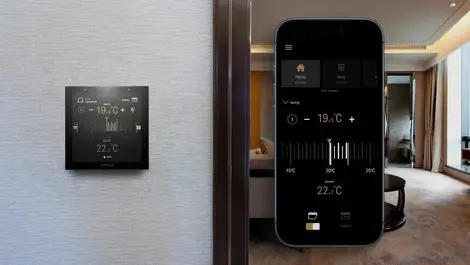
The rollout gives homeowners remote access to heating, cooling and hot water, while keeping schedules running locally during internet outages.
Enterprise IT teams can now launch remote support from device data and feed actions back into reports, trimming handoffs and delays.
The new feature lets technicians approve AI-led repairs in live support sessions, aiming to speed fixes while keeping an audit trail.
Victims risked silent compromise as attackers hid SparkRAT inside Cambodian-themed files and disabled security tools with a vulnerable driver.
Customers in five cities gain backup Azure routes designed to keep AI and critical enterprise workloads online if one link fails.
ReliaQuest says a single operator may have used a commercial AI coding agent to build malware, a console and update pipeline across 324 hosts.
Partners will gain access to secure remote connectivity tools as the deal targets outages and poor coverage across the Pacific region.
Regional teams can now monitor incidents more quickly as TEPCO Power Grid unifies video from 30,000 cameras across 1,600 sites.
Pressure is mounting on operators to add 5G sites faster, and the tie-up offers a fibre-like route around delays in Indonesia.
Australian businesses face faster, cheaper attacks as the ASD urges tighter control of privileged access and AI identities.
A single attack on UK battery storage could trigger a nationwide outage and cost up to GBP £10 billion, Centrii's analysis warns.