Emergency Communications stories
The 4,000-kilometre link is set to ease congestion on existing corridors and bolster data flows for AI and cloud users by 2030.
Organisations serving Francophone communities can now send emergency alerts faster, without separate translation tools, via a Canadian French interface.
Mission-critical users could get more reliable service as Verizon says full-network slicing beats separate physical cores for 5G traffic.
Amazon Leo has filed plans to deploy 5,105 satellites that would provide voice, messaging, data and emergency services directly to mobile devices.
Remote users and field workers in Australia and New Zealand are set to drive low-earth orbit satellite mobile connections past 1.5 million by 2027.
Drivers in remote areas could soon stay connected as satellite voice and messaging move into BMW's built-in infotainment system.
Critical communications should hold during floods and power cuts, as Cellnex and the Netherlands Red Cross build a nationwide backup network.
Businesses and emergency services faced outages nationwide as a Telstra mobile failure exposed the risks of Australia's concentrated carrier market.
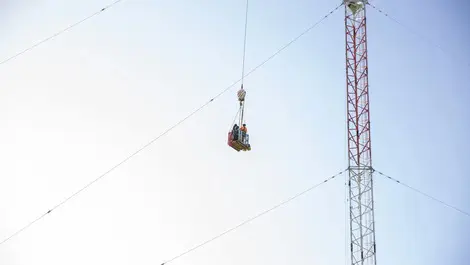
Auckland's emergency AM radio coverage now rests on a single 110-metre mast, after RNZ replaced two ageing Henderson towers without disrupting service.
People without compatible phones, English fluency or safe access to devices risk missing vital instructions when emergencies strike.
Broadcast still reaches most New Zealanders daily, even as streaming grows, with free access and emergency resilience keeping it relevant.
The handover comes as the communications infrastructure group expands across public safety, rail and broadcasting projects in Australia.
Partners will gain access to secure remote connectivity tools as the deal targets outages and poor coverage across the Pacific region.
Pressure is mounting on operators to add 5G sites faster, and the tie-up offers a fibre-like route around delays in Indonesia.
Customers in remote parts of New Zealand may soon get voice, data and messaging on ordinary smartphones, after tests using AST SpaceMobile's network.
WorkSafe's new guidance ties medical cover to site risks, meaning some New Zealand events may need more than basic first aid to protect crowds.
Community reports from Golden Bay suggest backup towers alone may not guarantee reliable 111 access when a fibre route fails.
Verizon is offering USD $25,000 for information leading to convictions over network vandalism that has disrupted services in California.
Public safety agencies can now extend mission-critical radio coverage to smartphones and LTE users without replacing existing P25 infrastructure.
The Sydney-based firm says the upgrade could help agencies handle routine multilingual enquiries faster, while keeping humans in the loop.