Google Cloud stories
With customers moving from AI trials to live deployments, the move will train more than 12,500 associates worldwide to build and govern agents.
New Zealand shoppers can now get project advice and product suggestions online as Bunnings rolls out Buddy across its website and app.
Businesses are being pushed to rework cloud estates faster, as InfrOS says AI-optimised infrastructure spending will climb 96% to USD $42 billion in 2026.
Startups could cut admin and coding time as Google folds Gemini into Workspace and lets teams assign persistent AI coworkers to routine tasks.
Developers can now run Temporal workers on Cloud Run, with queues scaling capacity automatically and costs falling when work dries up.
The free upgrade should let cloud administrators tighten access controls and fix blocked traffic faster across larger Google Cloud estates.
Businesses can query data across rival clouds without moving it into Google Cloud first, as the preview aims to speed AI agents and cut duplication.
Joint customers can now see RapidFort's remediation guidance inside Wiz, helping them triage container CVEs without changing scanning workflows.
The wider marketplace rollout should make it easier for large enterprises to buy database governance software through their existing cloud contracts.
The integration aims to curb prompt injection, data leakage and unauthorised actions as firms shift AI from pilots to critical systems.
AI spending is forcing firms to rethink cloud setups faster, with InfrOS claiming its new tool tests changes before deployment and flags drift.
Security teams can now generate deception playbooks in minutes, as AI-assisted attacks and enterprise AI systems raise the stakes for defenders.
The hedge fund's analysts are getting faster access to market signals as Gemini scans transcripts, filings and data inside private systems.
Finance teams can now reconcile millions of invoices in BigQuery without code, as Alteryx keeps PDFs in Google Cloud Storage and flags duplicates.
The extended pact will help Spain's biggest digital bank roll out AI tools for staff and customer services while tightening data and security controls.
AI is pushing boards to weigh local control against cloud convenience, with 80% of respondents saying sovereignty matters more in vendor selection.
Enterprises across APAC are moving from AI trials to deployment, boosting demand for FPT's data-led transformation services.
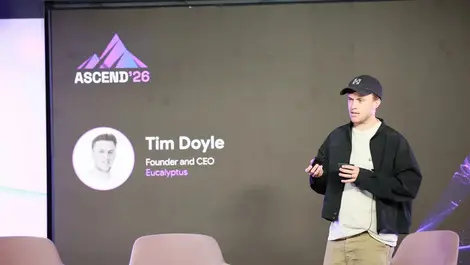
The acquisition underscored how quickly a pivot can pay off, with Eucalyptus sold to Hims & Hers for USD $1.15 billion after a risky shift.
New controls aim to keep sensitive data usable in AI systems while reducing re-identification risk and improving recovery after outages or attacks.
Businesses using Onecom's Vox will now get live warnings on suspected cloned voices, plus transcription and caller verification in one platform.