Mobile operators stories
With 12% of respondents scammed last year, the GSMA says faster case resolution and stronger digital trust are vital for India's next growth phase.
GSMA Intelligence says satellite has moved into telecoms mainstream, as operators covering nearly 70% of global subscribers sign up for partnerships.
The relocation gives Kazakhstan a higher-profile platform to court investment and shape regional debate on connectivity, AI and telecoms policy.
Billions already within coverage risk missing AI-era services as entry-level smartphones become less affordable in low-income markets.
Operators want to avoid costly 6G roll-outs, with NGMN saying any migration path must minimise hardware changes and complexity.
Telecoms operators are using the software to cut outages, alarm noise and order failures after live trials expanded across five continents.
Rising data demand is driving emissions higher in parts of Asia Pacific, as mobile operators struggle to secure cleaner electricity.
Routine parcel-status checks are shifting to WhatsApp, easing pressure on support teams as Overseas Express cuts enquiries by more than 60%.
The results bolster eir's pitch in crowded urban markets, where operators are vying on 5G speed and reliability as data demand rises.
Banks and payment firms could gain tighter onboarding checks as the pair combine mobile network signals with identity datasets to spot fraud.
More than four in five US households pay around USD $100 a month, making mobile service one of the country's biggest recurring bills.
The handover comes as the communications infrastructure group expands across public safety, rail and broadcasting projects in Australia.
Mobile traffic at Croke Park hit a record as Katie Taylor's farewell bout drew thousands of fans streaming and sharing on the night.
The report says ASEAN must turn national gains into a shared market as the region targets a USD2 trillion digital economy by 2030.
Unresolved fraud is eroding confidence in Southeast Asia's digital economy, with scam victims often switching providers after losses.
Users of the latest Galaxy Z phones in the US can activate service immediately, without a physical SIM or Wi‑Fi, as eSIM adoption gathers pace.
Rising scrutiny over data, security and identity checks is pushing mobile operators to bake compliance into daily operations, Lifecycle Software says.
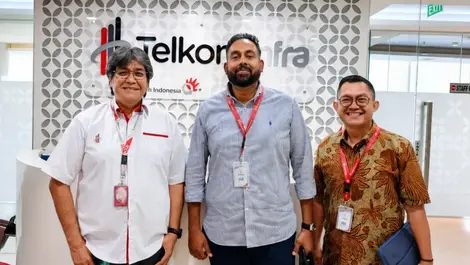
Pressure is mounting on operators to add 5G sites faster, and the tie-up offers a fibre-like route around delays in Indonesia.
Indoor and underground users on StarHub's 5G plans could see faster, more reliable connections as the operator extends coverage with 700MHz spectrum.
Participants will hear fresh evidence on scams and digital trust as Southeast Asia weighs tougher rules for a fast-growing digital economy.