Online fraud stories
Millions of consumer devices were pulled into a botnet used for hacking and espionage, prompting Google to disable apps and accounts.
Yahoo Boys have evolved from email fraud into an AI-enabled cybercrime subculture, using deepfakes, sextortion and social media to target victims worldwide.
Trust in AI shopping agents is weakest in the UK, where payment worries are holding back uptake as Spain shows far stronger confidence.
Merchant prices are being pushed higher as friendly fraud and chargeback costs intensify, with more than 83% reporting rises over three years.
Visa is pouring billions into AI defences as regulators demand safer, auditable systems to counter faster cyber threats and fraud.
Exposed logs show viewers of pirate football streams were steered towards offshore betting sites, raising privacy and fraud risks ahead of the 2026 World Cup.
Fraud teams will gain extra app-level signals as the firms combine mobile protection with identity intelligence to catch tampering and abuse.
Winter brings a sharp rise in crypto, impostor and tech support fraud, with older Kiwis and travellers among the main targets.
More than 5 million connection attempts from 985 organisations show scam traffic is increasingly reaching workplaces via social apps and personal devices.
Retailers can now run fraud checks and chargeback controls inside Shopify, as SEON and Domaine target fast-growing merchants facing rising losses.
Fans heading to the 2026 FIFA World Cup face ticket, WiFi and booking fraud as criminals target every stage of the trip.
Consumers on hospitality and eCommerce sites are at risk of having passwords and payment details stolen through fake webpages run by the platform.
Existing phishing and fraud tactics are becoming faster, cheaper and harder to detect, raising the risk for large organisations, ReliaQuest said.
Scammers are exploiting Prime Day shopping sprees as Australia's new rules aim to stop fraudulent texts, emails and instant payments.
Public Wi-Fi, reused passwords and distracted fans are leaving travelling Australians open to cyber-attacks during World Cup nights abroad.
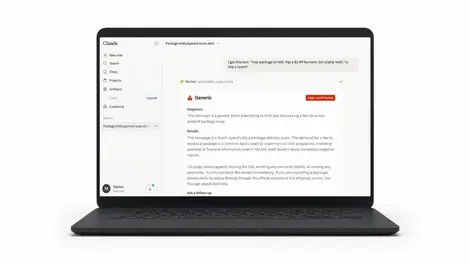
Scam checks are now available to Claude users across all tiers, as Norton embeds its Genie tool to flag suspicious messages and links.
Small businesses face rising scam losses and AI-driven fraud as the association urges mandatory reporting and tougher platform obligations.
Stolen credentials are fuelling fraud as attackers bypass ATO controls, exposing taxpayers and forcing tax agents to harden logins.
Automated traffic now makes up more than half of web requests, pushing enterprises to adopt defences that work across AI agents and APIs.
Fraud losses could fall if banks, merchants and regulators align on earlier intervention, Ecommpay says in a new report.



.webp)







.webp)