Social Engineering stories
Researchers found every senior AI leader studied had exposed personal data, including phone numbers, addresses and birth dates, raising impersonation risks.
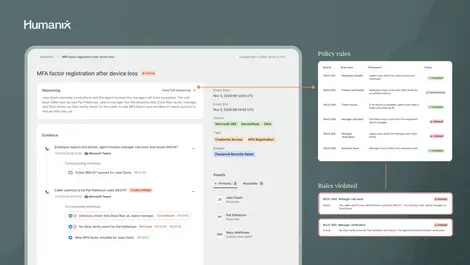
By comparing live help desk calls with identity records, the new feature flags suspicious password resets and MFA changes before attackers gain access.
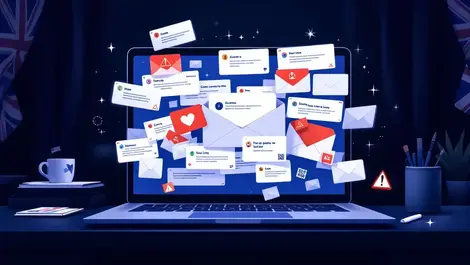
It aims to sharpen staff defences by turning blocked phishing emails into department-specific training tied to real threats already seen in inboxes.
The findings suggest executives at major AI firms face heightened phishing and impersonation risks from easily gathered personal details and family records.
Stolen data from one breach was later recycled to impersonate employees and phish staff at another US organisation, Google said.
KnowBe4 said phishing attempts tied to the game jumped 1,300% as scammers used fake pre-order offers to target staff and gamers alike.
Britain was the second most targeted market as criminals used GTA 6 lures to drive a 1,300% jump in phishing emails in late October.
Financial institutions are being pushed to tighten checks as deepfake attacks jumped 165% in 2026 and account takeovers became more common.
The free app checks links, messages and images to help consumers spot scams before they click, buy or share on mobile.
As more staff use browser-based AI tools, the product aims to plug a blind spot in existing security stacks without forcing a browser swap.
Australian shoppers face a surge in fake retail sites and account hijacking attempts as online spending jumps to AUD $7.2 billion.
The breach began months earlier with a tampered software package and a fake recruitment process that helped attackers reach privileged wallet staff.
The nod signals investor confidence in tools that can spot AI-generated phishing before it reaches hundreds of thousands of employee mailboxes worldwide.
Residential proxies are letting impostors bypass location checks and move quickly through cloud systems before defenders can spot the breach.
Searches for business security Christmas have jumped 66% in three months as temporary staff and shutdowns leave firms exposed over the holidays.
Australian firms face rising losses from AI-enabled scams unless they tighten payment checks, identity controls and internal processes.
A survey of 400 decision-makers found 66% of Australian businesses faced at least one AI-related cyber threat in the past year.
AI is set to make impersonation scams and account takeovers harder to spot as Australians reported AUD $2.18 billion in scam losses in 2025.
Australian crypto and fintech executives are among 677 targets in a North Korean campaign that now uses deepfakes and fake business tools.
Nearly half of Canadian office workers have never been briefed on safe AI use, even as 71% say they have increased it over the past year.