Workforce development stories
AI could free HR teams from routine admin, but Workday says sensitive hiring decisions need deterministic guardrails and explicit human oversight.
Stronger workplace AI training could add USD $177 billion to the US economy by 2030, as most firms adopt tools faster than they train staff.
Companies are missing out on returns from AI and other new tools because staff training and change management are lagging behind.
The programme aims to fill a shortage of engineers able to turn AI pilots into live business systems, backed by USD $100 million.
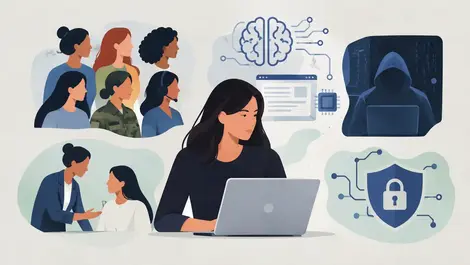
The report says threat intelligence teams could benefit from wider hiring pools as women bring skills from fields from marketing to the military.
Workforce readiness is becoming the main obstacle as industrial firms in Asia Pacific race to use AI without losing vital site expertise.
Rising savings demands are colliding with staffing shortages and poor data, leaving procurement teams struggling to keep pace.
The extension will use artificial intelligence to sharpen Jaguar TCS Racing's strategy and feed lessons from Formula E into future electric cars.
The move puts workforce planning at the centre of OpenSky's expansion as it seeks faster delivery and tighter AI skills alignment.
The expansion gives the group a bigger base to serve Southeast Asian customers and train talent as manufacturers step up research in Singapore.
The hire gives the training group part-time cyber and technology leadership as it scales digital learning tools across three brands.
The repeat honour could help Cognizant recruit talent as it expands AI training and plans to hire 1,500 US college graduates.
The partnerships are meant to tackle fragmented project data and help architects, engineers and students build digital skills across the region.
Australia's cyber jobs shortage is pushing employers to judge practical performance and incident readiness more than certificates and titles alone.
Many UK executives are masking AI uncertainty, with 38% fearing their careers will suffer unless they upskill within a year.
The programme aims to help smaller firms adopt AI while giving students and graduates paid experience as Ottawa builds its talent pipeline.
Smartphone apps used for banking and workplace access will face tougher defences as the partners recruit two cybersecurity researchers for a 30-month project.
The internal promotion keeps the family-owned builder on track as it nears eight decades in business and expands across the North Island.
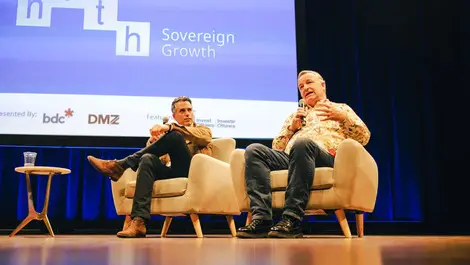
Canada should focus on the AI infrastructure pieces that matter most, executives say, rather than insisting every link in the supply chain be domestic.
Training systems are struggling to keep pace as AI changes day-to-day tasks in UK skilled trades and raises replacement demand, Pearson says.