Critical Infrastructure stories

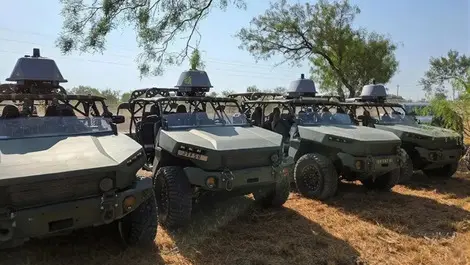
Military buyers want mobile drone defences as the new tie-up aims to protect moving units from increasingly common UAS threats.
Regulated firms can now scan code for flaws without sending sensitive data to external AI services, as AISLE targets private deployments.
The ranking underscores rising demand for safer backup power in data centres, where AI loads are sharpening scrutiny of energy use and emissions.
Ransomware and compliance risks are rising as AI concentrates more business data in storage systems that must now prove they can recover fast.
Businesses deploying autonomous AI agents face tighter oversight as Zscaler adds controls for agent access, data flows and endpoint threats.
Demand for mobile data is shifting as uplink traffic grows faster than downloads, with AI and cloud services pushing networks harder.
The 600-petabyte deployment is set to underpin regulated AI workloads in Australia as demand for onshore data control intensifies.
Europe's push for sovereign defence supply chains is opening new orders for DroneShield as it begins local production for allied customers.
Election officials and voters may gain independently checkable results as Sequent adds open-source VoteSecure to its digital voting platform.
Cybersecurity teams fear the release could speed up vulnerability hunting on both sides, forcing faster patching and tighter controls.
Demand for agentic AI protection helped the company land its largest deal yet and post its strongest quarter as customers expanded spending worldwide.
Continuous verification is becoming vital as organisations blend biometrics and Zero Trust to stop unauthorised access to buildings and data.
Closer monitoring of cyber risks is now a priority for regional utilities, as Coliban Water seeks faster threat detection and response.
Sydney will coordinate wider APJ growth as demand rises for earlier warning on cyber threats hitting critical infrastructure and finance.
Operators in finance, telecoms, energy and transport face mandatory reporting and stronger safeguards as Ottawa tightens oversight of cyber risk.
Rising cyber threats to essential power systems have prompted the Scottish grid operator to tap European research and expertise.
The Sheffield cybersecurity firm gains global visibility and policy access as concerns rise over quantum-era attacks on critical networks.
Only 6% of respondents can map supplier exposure in under four hours after an incident, leaving UK firms vulnerable to longer outages.
Australian agencies and regulated firms can now keep virtual machine workloads local, as Yurika and RackCorp target tighter data-residency rules.
The deal broadens access to mobile security tools as UK firms face rising attacks via smartphones, apps, QR codes and messaging platforms.