Emergency services stories
The new models aim to give utilities, emergency crews and factory teams tougher, better-connected kit for work away from the office.
Smaller operators are carrying much of the danger as a new study finds 66% of assessed US telecoms fall into an elevated risk band.
Regulated organisations can keep wireless WAN telemetry and management data inside their own environments, easing compliance concerns.
Australian resellers gain access to deployable communications gear for remote and disrupted sites as Wavelink broadens its critical infrastructure offering.
The programme targets buyers seeking integrated urban systems as Asia's cities race to link safety, data and emergency response.
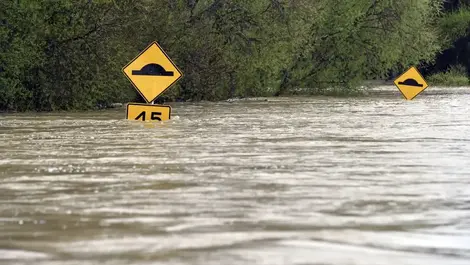
The free site helped commuters check flooded routes during Bangkok's disaster zone conditions, logging more than 13,000 uses in its first day.
Night-time vehicle access to Titirangi Maunga will end in early 2027, after residents backed gates to curb dumping and vandalism.
Field crews can work longer between charges as the new model adds hot-swappable batteries, 5G and local AI processing for remote sites.
Concerns over safety and dune damage could see full vehicle bans at Waimārama Beach, with permits reserved for ATVs and exempt users.
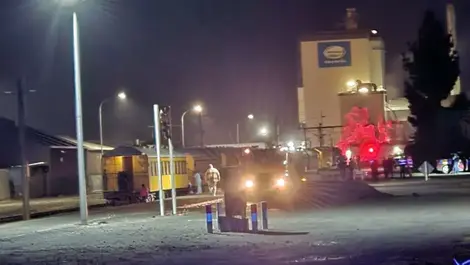
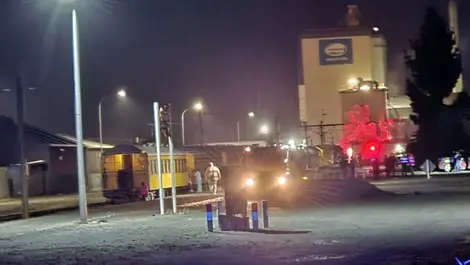
Passengers were left traumatised after a person died at Te Awamutu station on Sunday evening, prompting a police investigation.
Police are investigating after a person died at Te Awamutu railway station, prompting a review of the heritage rail incident.
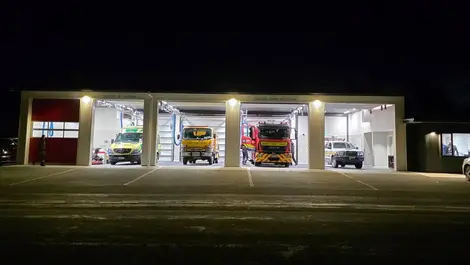
Cleaner and faster emergency callouts are expected once the nearly finished NZD $3.5 million Twizel station overhaul opens.
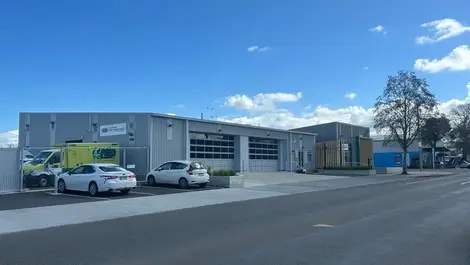
Parked cars are delaying emergency callouts in Masterton, prompting a council bid to extend no-stopping rules outside the ambulance station.
A rescue operation at Tangimoana Beach ended in tragedy, with two deaths and one person taken to hospital after a boat capsized offshore.
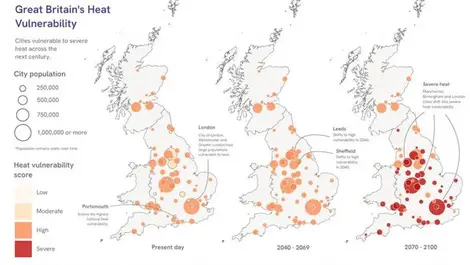
Cities across Great Britain face worsening heat risk, with Portsmouth already most exposed and all 71 projected to be highly vulnerable by 2040.
Passengers described screaming and panic after flames shot from a Qantas engine, forcing an emergency diversion to Christchurch.
Emergency response funding could be squeezed under planned rates caps, prompting Southland Civil Defence to seek an exemption from the Minister.
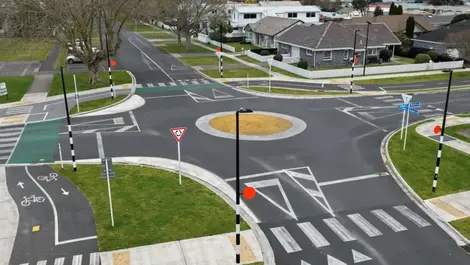
Safety gains from raised road platforms in Hamilton are outweighing complaints, as councils review costly fixes for faulty installations.
Passwordless logins are gaining traction as HID says employers want one credential for buildings, devices and cloud apps.
Public safety and emergency teams could get longer overwatch and delivery missions as gas-powered drones stay airborne for more than 150 minutes.