Online fraud stories
Avast rolls out Deepfake Guard for Windows and takes Scam Guardian global on mobile in a push to combat rising video-led fraud.
Hackers are hijacking ageing home routers worldwide, covertly rewiring DNS to quietly cash in on everyday web browsing traffic.
SEON wins Frost & Sullivan's 2025 Global Enabling Technology Leadership Award for AI-driven fraud and AML platform innovation.
Swiss startup Umanitek has unveiled Guardian Agent, a subscription tool to spot deepfakes, fake profiles and AI-driven impersonation online.
Panera data breach exposes details of 14 million customers, spotlighting a surge in SaaS-focused extortion and identity-driven cyber attacks.
Gen Z click on phishing links nearly three times more than Baby Boomers, despite heavier use of multi-factor authentication, Yubico finds.
BioCatch posts record ARR above $185 million as it adds 90 banks, blocks $4 billion in fraud and expands its global trust network.
Sumsub launches AI Agent Verification to link automated activity to verified humans, tackling rising AI-driven fraud without blocking bots.
DoubleVerify flags surge in “zombie” Android app fraud as hijacked dormant accounts push bogus games that drain ad budgets and devices.
AI deepfakes are eroding faith in biometrics and executive identities, forcing companies to rebuild trust in how they verify people and payments.
AI crime is shifting from experiments to a stable industry, with jailbreak services, adaptive malware and deepfake fraud becoming routine.
Google has dismantled IPIDEA's vast residential proxy network, which hijacked millions of consumer devices for global cyber operations.
McAfee boosts its Scam Detector with instant QR checks and smarter message scanning to counter a surge in personal, AI-powered frauds.
AI's rapid spread, weak data governance and rising scepticism are reshaping digital trust and sharply escalating privacy risks.
AI voice cloning scams have already cost Australians AUD $25.8m in 2025, as experts warn lifelike fake calls are outpacing public awareness.
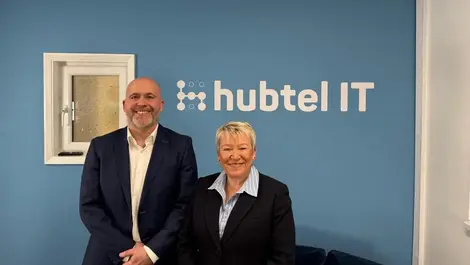
West Midlands tech firm Hubtel urges ministers to make the new Cyber Bill agile enough to counter rapidly evolving AI-driven cyber threats.
Lonely UK daters increasingly turn to AI companions even as romance scams surge, with rising losses and growing trust in chatbots over humans.
AI-edited images are eroding trust in online marketplaces, with most UK shoppers blaming platforms for misleading or inconsistent visuals.
Australians want high-tech retail but demand tighter data security and better value as apps, AR and digital tools reshape everyday shopping.
Nearly half of New Zealand's online daters would consider dating an AI, as loneliness and mistrust reshape how Kiwis seek romance online.