Online fraud stories
Data Privacy Week warns overlapping security apps and hidden web trackers are eroding consumer safety and exposing firms to fresh risks.
Bitdefender warns of a global surge in fake job emails posing as Amazon, Carrefour and the NHS, stealing data, money and account logins.
Betsson adopts Group-IB's real-time fraud tech to counter rising account takeovers, bonus abuse and payment scams across its platforms.
A deepfake surge is driving relentless AI-powered celebrity scams, with persona kits and adaptive fraud campaigns eroding online trust.
Phishing-as-a-Service fuels 389% jump in account breaches as attackers target Microsoft 365 and Business Email Compromise scams.
BioCatch warns AI shopping agents will turbocharge online fraud, urging banks and retailers to distinguish helpful bots from criminal misuse.
Microsoft again tops global phishing brand list as attackers increasingly mimic big tech services to steal cloud and consumer credentials.
A new Astaroth banking trojan variant hijacks WhatsApp Web to self-spread via chats while silently stealing Brazilian banking credentials.
Phishing-as-a-service kits doubled in 2025, now powering 90% of attacks as cyber gangs race to outsmart multifactor checks and filters.
Infoblox agrees to buy AI-driven threat hunter Axur, aiming to curb phishing and brand abuse beyond the traditional network perimeter.
OpenText warns 2026 will bring an AI‑driven identity crisis, deepfake-fuelled scams and decision overload that many firms are not ready for.
Ping Identity snaps up Keyless to add privacy-preserving biometrics and fight AI-driven deepfakes and account takeover attacks.
Hydrolix launches Bot Insights to reveal hidden AI bot traffic and six-figure cost leaks, promising real-time visibility across CDNs.
AI-powered 'Truman Show' scam uses OPCOPRO app and fake trading rooms in official stores to steal cash and victims' digital identities.
Exactly.com trims processing fees after 23% turnover rise, targeting UK SMEs with local acquiring and lower-cost eCommerce payments.
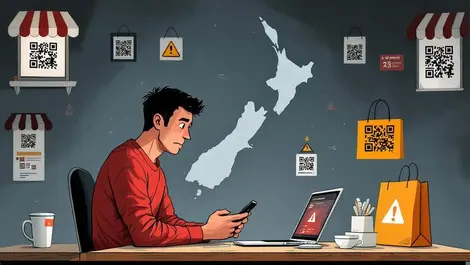
New Zealand faces a 271% jump in fake shop scams as criminals exploit routine clicks, QR scans and DIY guides to trick online shoppers.
Unicorns beat Global 2000 on core domain security, yet weak registry locks and scant DNS redundancy leave major gaps in cyber defences.
Cyber crime reports to Action Fraud have jumped 37% in five years, but analysts warn hidden enterprise losses run to hundreds of millions.
Australians greatly overestimate their ability to spot AI-driven scam images, with new research showing they get it right less than half the time.
Most Australians think they can spot AI scams, but new research shows fewer than half can correctly identify deepfake images in tests.